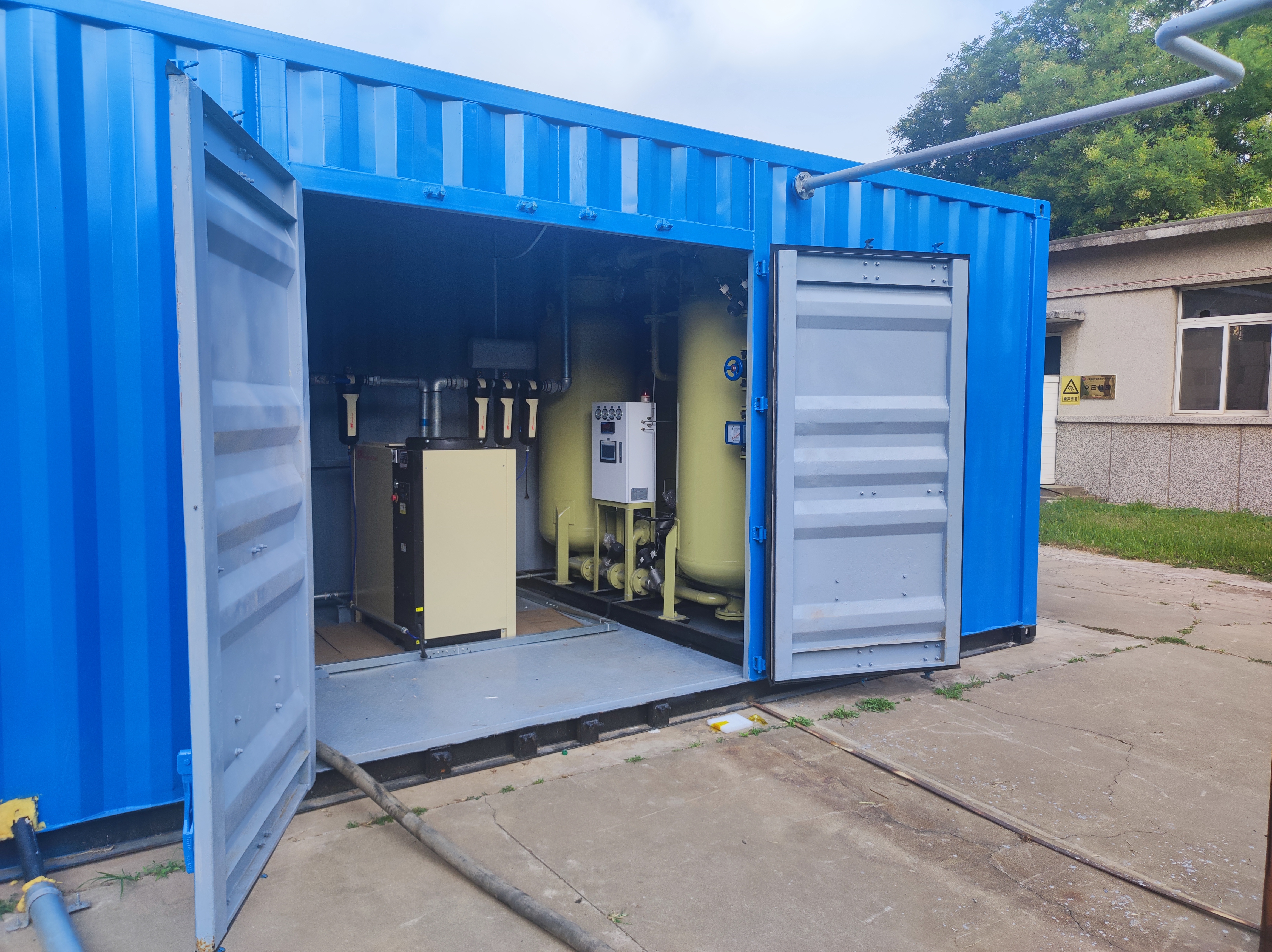
Nitrogen Gas Lift: Inject high-pressure nitrogen into the bottom of the well to reduce the density of the liquid column, lift fluids, resolve liquid accumulation and ceased flowing issues of oil wells, and restore production capacity.
Flow Inducement and Fluid Discharge: Adopt nitrogen to induce flow after workover operations; use nitrogen to assist fluid flowback after acidizing and fracturing, so as to reduce formation damage caused by retained fluids.
Wellbore Cleaning: Remove wax deposits and eliminate blockages via high-pressure nitrogen jet flow to restore wellbore flow diameter and oil production capacity.
3)
Fracturing and Acidizing Modification
4)Well Control and Safety Protection
Drilling/Workover Inerting: Replace air in wellbores with nitrogen before operations to lower oxygen content below 2%, eliminating explosion risks caused by oil-gas mixture.
Emergency Well Killing and Fire Extinguishing: Rapid nitrogen injection smothers fires and regulates pressure during blowouts or fires, enhancing well control safety.
Tank Nitrogen Blanketing: Maintain a slight positive-pressure nitrogen layer inside crude oil and chemical storage tanks to curb volatilization, prevent fire and explosion hazards, and reduce material loss.
5)
Pipeline and Equipment Maintenance
Pipeline Purging and Drying: Before commissioning or maintenance, nitrogen is used to remove moisture, impurities and flammable gases so as to prevent corrosion and explosion.
Equipment Pressure Retention and Sealing: Fill idle equipment and pipelines with nitrogen for protection to isolate air and slow down corrosion.
Subsea Pipeline Drying: On offshore platforms, on-site nitrogen generation is realized by membrane nitrogen generators to meet the drying demands of long-distance subsea pipelines.